Self-confidence is the conviction that one is capable, wise, and valuable. It gives people the confidence to move on, confront obstacles, and achieve their objectives without being held back by fear or self-doubt. Every element of life is impacted by low self-confidence, including the emotional, professional, and personal spheres. Individuals with poor self-esteem frequently struggle with decision-making, seek out excessive approval, and undervalue their own strengths. Overcoming this prevalent yet significant obstacle calls for focus and deliberate effort.
Fear
An emotional reaction to perceived danger or threat is fear. Because it warns us of dangers and makes us act in protective ways, it is essential to our survival. dread can be useful in situations of actual danger, but excessive or persistent dread might impede one’s ability to grow and maintain mental health. The first step to managing fear and eventually turning it into a source of strength is to comprehend it, regardless of whether it is the dread of physical pain, rejection, failure, or uncertainty.
Mental Stress
Emotional and psychological strain or tension brought on by difficult or demanding situations is known as mental stress. The main effects of mental stress are on mood, intellectual processes, and decision-making, as opposed to physical stress, which includes physical activity. Stress is a normal reaction to difficulties, and in small doses, it can even be helpful in keeping us focused and attentive. Chronic or unchecked mental stress, however, can have negative effects on one’s health and quality of life.
Impatience
The propensity to become agitated or frustrated when things don’t go as planned or as quickly is known as impatience. Impatience is more common than ever in our fast-paced, instant-gratification society. Periodic irritation can disturb relationships, productivity, mental calm, and even physical health, but occasional impatience is normal. Impatience is fundamentally a result of a need to exert control over events and a difficulty adjusting to uncertainty, delay, or challenges. Long-term success, emotional regulation, and more balanced thinking can result from an understanding of this behaviour.
Depression
Depression is a severe mental illness that is typified by enduring melancholy, hopelessness, and a loss of enjoyment or interest in day-to-day activities. It influences a person’s thoughts, feelings, and actions, frequently resulting in a range of psychological and physiological issues. Clinical depression can severely hinder a person’s capacity to function in day-to-day life and lasts for weeks, months, or even years, in contrast to occasional melancholy or emotional pain. Depression is neither something that one can “snap out of” nor a sign of weakness. It calls for comprehension, sensitivity, and frequently expert care.
Feeling of Inferiority Complex
An inferiority complex is a pervasive sense of inadequacy and low self-esteem that makes people feel inferior to others in terms of their success, intelligence, beauty, or personal value. More than sporadic insecurity, it is a persistent way of thinking that can impact a person’s relationships, mental health, ability to make decisions, and general quality of life. The word was created by famous psychologist Alfred Adler and describes how a person views themselves as well as how they handle comparison and life’s obstacles. When someone has an inferiority complex, they may avoid situations where they fear judgement, overcompensate with arrogance, or continually seek acceptance.
Personality Disorders
Personality disorders are a category of mental health diseases that are defined by recurring thought, emotion, and behaviour patterns that significantly differ from the norm. These rigid, deeply embedded habits impact many facets of an individual’s life, from relationships and employment to self-perception and emotional regulation. In contrast to other mental health conditions, personality disorders can endure a lifetime and usually start in youth or early adulthood. Because people frequently struggle to identify that they have a problem, treatment is tough but not impossible.
Sleep Issues
Millions of individuals worldwide struggle with sleep problems, often known as sleep disorders, which can seriously harm one’s physical, mental, and cognitive well-being. Sleep issues, whether they are related to falling asleep, staying asleep, or waking up too early, can lower quality of life, impair immunity, and raise the risk of chronic illnesses. Restorative and healthy sleep depends on knowing the causes, types, symptoms, and treatments of sleep problems.
Anxiety
Anxiety, which manifests as feelings of worry, fear, or uneasiness, is a normal reaction to stress or danger. While occasional anxiety is a natural part of life, excessive or ongoing anxiety that gets in the way of day-to-day activities could be a sign of an anxiety disorder, which is one of the most prevalent mental health diseases in the world. Regardless of age, gender, or background, anxiety may impact anyone. It affects our thoughts, feelings, and actions and might show up as cognitive, emotional, or physical symptoms.
OCD
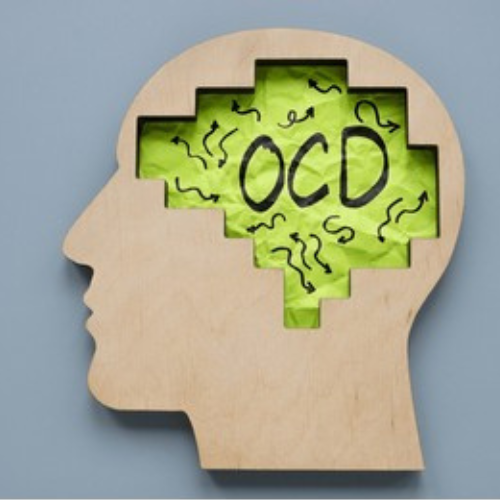
A persistent and frequently crippling mental illness, obsessive-compulsive disorder (OCD) is typified by recurrent, unwanted thoughts (called obsessions) and repetitive actions or mental processes (called compulsions). In an effort to ease their misery or avoid a scenario or event they fear, people with OCD are motivated to carry out these compulsions. While many people may have recurring behaviours or intrusive thoughts on occasion, OCD extends beyond everyday routines and seriously impairs functioning and daily life.
Procrastination
Being a psychological barrier that impedes both professional and personal development, procrastination is more than just a poor habit. Delaying or postponing chores in spite of knowing that there would be negative consequences is what it is. Fundamentally, procrastination stems from emotional dysregulation, perfectionism, fear of failing, and avoidance behaviour. Procrastination is linked to the limbic system, the brain’s emotional centre, according to scientific research, and is not only a result of bad time management. When confronted with an unpleasant task, our brain chooses to temporarily restore our mood by encouraging us to partake in more enjoyable pursuits. Overpowering the prefrontal cortex, which governs impulse control and decision-making, can result in a vicious cycle of guilt and delay.